Budget 2026 – Breathing Space
The Labour Government had a name for this year’s Budget before the Chancellor even stood up to deliver it. They called it the “breathing space Budget”, promising to give families and businesses a little more room to manoeuvre after several difficult years.
This week, we finally got to see what that actually meant in practice. There were announcements affecting household energy bills, pensioners, business owners, savers and investors.
But whether these measures will genuinely give people breathing space is a different question. It’s a fairly subjective goal, after all. A measure that makes life easier for one household might make very little difference to another, and a change that looks attractive today might have consequences further down the line.
So, in this video, we’re going to look at the key announcements, what they mean for your finances, and whether there’s anything here that should change the way you’re thinking about your financial future. As always, this isn’t about making knee-jerk decisions in response to a Budget. It’s about understanding what’s changed, what hasn’t, and how those changes fit into your own financial planning.
_________________________________________
The Government went into this Budget having established some financial headroom last year, and the Chancellor’s message was that he wanted to maintain stability rather than introduce another round of sweeping changes to the tax system. There is some merit in that approach; families need to be able to plan their household finances, and businesses need confidence when making investment and employment decisions. The same is true for individuals making decisions about retirement, investments and estate planning.
In this video, we will cover the main points relating to personal finance, but it is worth mentioning some other highlights that will affect the vast majority of people. A swathe of measures aimed at helping households with the cost of living were announced, including but not limited to: The reduction in VAT on electricity bills will continue into the Summer, standing charges for gas are to be removed, with proposals on the way to do the same with electricity, and those in Council Tax Bands A to D, in England, will receive £100 towards their energy costs this winter; with devolved governments to arrange similar schemes.
State Pension (Pension Tax Allowance)
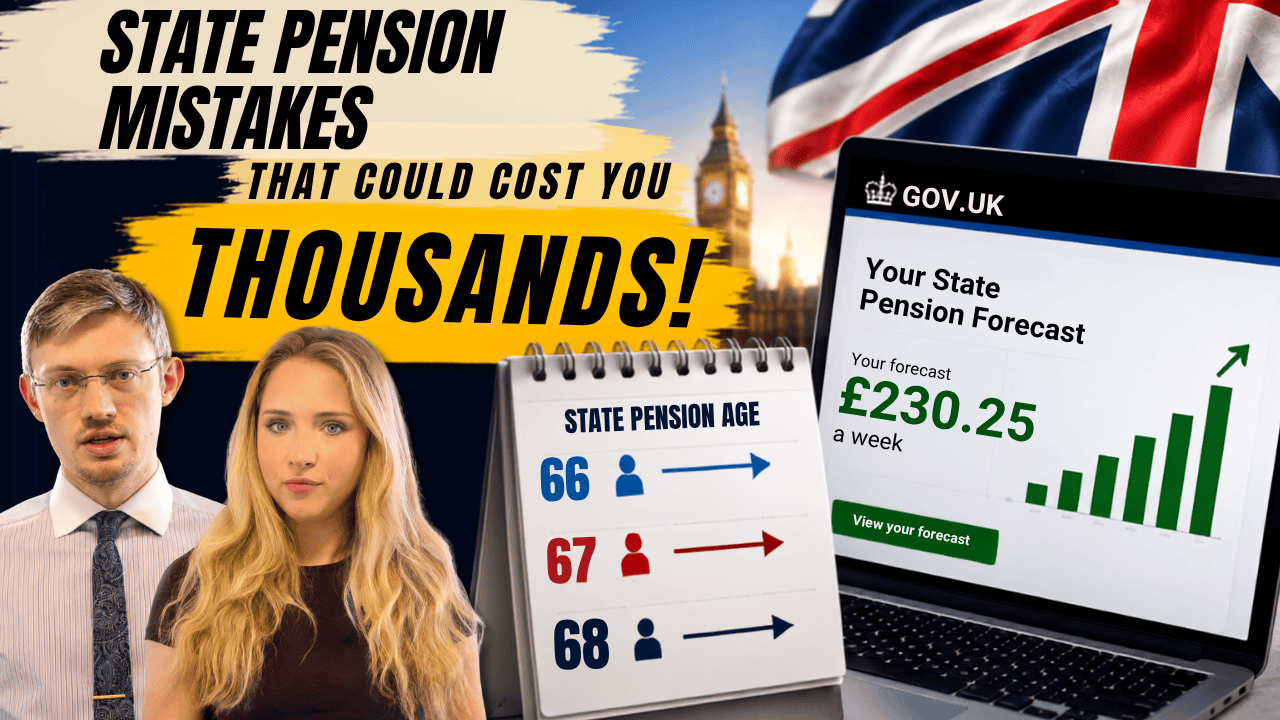
Moving on to matters that may affect your financial planning, let’s start with the State Pension. We already knew that the Government are planning to introduce the “adjusted triple lock” that will affect how the State Pension increases in the future. That said, the new State Pension is expected to rise above the standard Personal Allowance next year, and without some form of adjustment, someone whose only income is the full State Pension could technically become liable for income tax.
Described as a new “Pension Tax Allowance”, this would effectively prevent those with the full new State Pension, climbing to £13,036 and so above the Personal Allowance of £12,570, from being subject to income tax. This allowance will apply to people over State Pension age provided that their income, regardless of source, is at or below the full new State Pension. For income just above that level, the allowance is gradually tapered away. So far, we understand that this will apply from April 2027 until April 2030.
Tax on savings
There are also changes to the taxation of savings and property income that need to be understood in the context of last year’s Budget. The Government previously announced increases of 2% in the income tax rates applying to savings income and property income, with the savings changes scheduled for April 2027. However, it has now been confirmed that those rates will increase by a further 2%, so tax on savings and property income will rise to 24%, 44% and 49% for basic, high and additional rate taxpayers, respectively.
ISA reform
The Budget also includes proposals aimed at changing how people save for particular goals. The “First Time Buyer ISA” will be introduced in April 2029, It is worth mentioning that the Chancellor said that this would “replace” the Lifetime ISA for new savers, which means the First Time Buyer ISA will be the third iteration of its kind in the last decade.
This new ISA will provide a 25% Government bonus on the final account balance, up to a maximum bonus of £20,000, when the funds are withdrawn to purchase a first home valued at no more than £450,000. The First Time Buyer ISA will replace the Lifetime ISA for new savers only. Existing Lifetime ISA holders will be able to keep their accounts and continue contributing under the existing Lifetime ISA rules. It is worth mentioning that changes to the Lifetime ISA withdrawal penalty are effective immediately, meaning savers buying a first home above £450,000 will no longer get back less than they put in due to the penalty
The Chancellor also coined the phrase “Starter ISA” in his speech, but in the fine print of the official Budget documentation, this is referred to as a “new ISA incentive” and states that the Government will work with the industry to explore a new ISA incentive for people investing in stocks & shares ISAs for the first time, with the detailed design to be developed by the industry.
One of the more welcome announcements for cash savers is that the planned reduction in the annual Cash ISA allowance will not go ahead. The previous proposal would have reduced the annual Cash ISA limit to £12,000 for people under 65 from April 2027, while leaving the overall ISA allowance at £20,000. Reversing that proposal means retaining the £20,000 annual Cash ISA limit. The Budget does not appear to take forward the proposal to tax interest arising on cash held within non-Cash ISAs.
For people who prefer to hold their savings in cash, that’s a meaningful change. Cash ISAs provide a way to earn interest without paying income tax on that interest, and retaining the existing allowance gives savers greater flexibility over where they hold their money.
Last year, we expressed our scepticism about the number of announcements that were made that had long lead-in times associated with them, this Cash ISA change being one of them. Another is the proposed cap on salary sacrifice; only time will tell if there are any similar U-turns on this one in the future.
Businesses
For business owners, there are some important developments to consider, as the Government moves to “support entrepreneurs to start, scale and stay”. Business Asset Disposal Relief kicks in when you sell a qualifying business, and reduces the Capital Gains Tax rate on the first £1mn to 18%, with the remainder being taxed at normal rates, i.e. 24%. This allowance is to be reduced to £500,000 from April 2027; this is a lifetime limit, not an allowance per sale.
Reducing the amount of qualifying gains that can benefit from the relief means that business owners need to pay closer attention to how a future sale might be taxed. That doesn’t mean a business owner should rush into selling simply because the rules have changed. In fact, making a major decision prematurely could be far more damaging than the additional tax itself. Instead, it reinforces the importance of considering the eventual exit from your business well in advance, understanding the potential tax implications and ensuring that the proceeds will support your wider financial objectives.
The new “Founders’ Relief” could represent a valuable planning opportunity for qualifying business founders. From April 2027, it is intended to provide a 10% Capital Gains Tax rate on qualifying lifetime gains of up to £10mn for founders of high-growth, innovative companies. The eligibility criteria remain subject to consultation, making it important to consider the final rules and circumstances of any proposed disposal before relying on the relief.
Is there any breathing space?
There are measures here that should help particular groups. Retaining the existing Cash ISA allowance gives savers more flexibility, the energy announcements offer some immediate support to households, and the protection for pensioners whose total income is no more than the full new State Pension should prevent an unwelcome tax consequence for those affected.
For business owners, founders and people saving for their first home, there are changes that could be important, although the practical impact will depend on the detailed rules.
Savers with holdings outside ISAs, however, will be worse off with the increase to savings tax rates, and it’s hard to see how this measure, in particular, creates breathing space.
While the Government’s ambition may be to give families and businesses breathing space, the best way to create that space in your own finances is to understand where you stand today, what you want the future to look like and whether your current plan is still on track. If you’d like to understand how the Budget affects your own financial plans, speak to your financial planner.
Thanks for watching, and we’ll see you in the next video.